The Sloth Coloring Page: A Gateway to Creativity and Digital Publishing
The world of printable art, particularly within the niche of children's activities, has seen a significant evolution. Among the most endearing subjects for such creations is the sloth, an animal whose gentle demeanor and unique appearance captivate both children and adults. A dedicated Animal Coloring Page Sloth serves not merely as a leisure activity but as a foundational component in various creative, educational, and commercial ecosystems. Understanding the intricacies of such a product, from its artistic appeal to the technical specifications of the digital files, reveals a multifaceted tool with broad applicability.
Technical Foundations: The Importance of File Quality and Formats
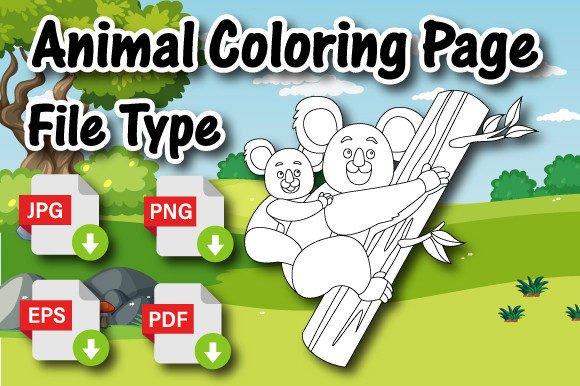
When discussing a digital printable, the conversation must begin with the files themselves. A typical offering includes a suite of formats, each serving a distinct purpose in the workflow of a user. The inclusion of an EPS file, which is editable, provides maximum flexibility for advanced users or designers who may wish to adjust colors, line weights, or integrate the illustration into larger compositions. This format is vector-based, meaning it can be scaled to any size without loss of quality, a crucial feature for professional applications.
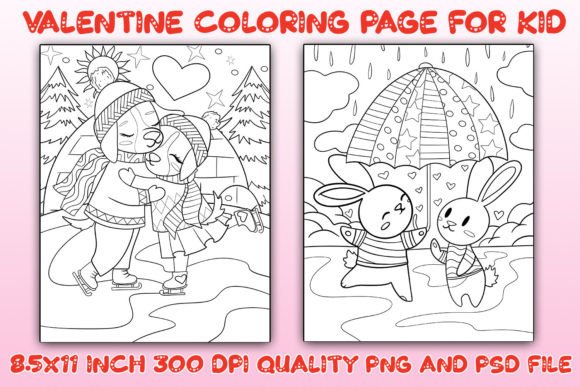
For most end-users and publishers, the ready-to-upload high-quality PNG and JPG files, rendered at 300 DPI, are the core deliverables. A resolution of 300 dots per inch is the industry standard for print-ready materials, ensuring that when the sloth coloring page is printed, the lines are crisp, clean, and devoid of pixelation. The PNG format, with its support for transparency, can be advantageous for certain layout needs, while the JPG is a universally compatible image file. The accompanying PDF offers a stable, packaged document ideal for direct printing or distribution, maintaining the dimensions of 8.5 x 11 inches, the standard size for many books and home printers.
Primary User Groups and Their Applications
The utility of a single, well-crafted coloring page extends to several key audiences, each with their own objectives.
- Parents and Caregivers: For families, a cute animal coloring page provides an immediate, accessible activity. The sloth, as a theme, often symbolizes calmness and patience, making the coloring experience not only fun but potentially a gentle teaching moment. It offers a screen-free creative outlet for kids, helping develop fine motor skills, color recognition, and focus.
- Educators and Kindergarten Teachers: In early education settings, such pages are integrated into lesson plans about animals, habitats, or rainforest ecosystems. They serve as engaging supplements to stories or science units. The simplicity of a printable allows for quick classroom preparation, and the activity can be tailored for individual skill levels.
- Independent Publishers and KDP Entrepreneurs: This is where the technical file specifications become paramount. The Amazon Kindle Direct Publishing (KDP) platform, especially for high-content books, has a thriving market for animal coloring books and animal activity books. A complete set of professional-grade files allows a publisher to efficiently assemble a book interior. By combining multiple such pages—perhaps a sloth page alongside other rainforest animals—a creator can build a cohesive, sellable product without the need for extensive graphic design expertise. The ready-to-upload files expedite the publishing process significantly.
- Artists and Hobbyists: Beyond coloring, these high-quality images can be used as elements in craft projects, digital collages, or even as reference material for artists learning to draw animal forms.
The Sloth as a Subject: Characteristics and Appeal
Choosing a sloth for a coloring page is a strategic decision rooted in its observable characteristics. The animal's large, expressive eyes, slow-moving nature, and often smiling countenance translate perfectly into line art that is inherently cute and non-threatening for young children. Its distinctive shaggy fur and long claws provide interesting texture and detail that can challenge older kids or allow for creative color interpretation. From an SEO and market perspective, "sloth" is a specific and popular search term within the broader animal coloring niche, helping products reach a targeted audience.
Furthermore, the sloth's place in popular culture and its association with positive values like mindfulness and taking things slow adds a subtle layer of thematic richness. A Animal Coloring Page Sloth can therefore resonate on an emotional level, making it more memorable and shareable than a generic shape or pattern.
Considerations for Commercial Use on Platforms Like KDP
For business owners focusing on the KDP high-content book model, several practical considerations arise. First is the necessity of file quality. Amazon's printing system requires clear, high-resolution images to produce a physical book that meets customer expectations. Blurry or pixelated lines lead to poor reviews and returns. The provided dimensions of 8.5 x 11 inches are the standard US letter size, which aligns perfectly with KDP's interior templates, avoiding awkward scaling or formatting issues.
Second is the concept of interior readiness. A package that includes all major file types (EPS, PNG, JPG, PDF) means the entrepreneur can focus on cover design, title selection, and marketing, rather than on file conversion or graphic adjustment. This efficiency is a major advantage in a competitive marketplace. It's also vital to ensure the artwork is original or properly licensed to avoid copyright infringement, a serious concern on publishing platforms.
Workflow Integration: From Digital File to Final Product
The journey of a sloth coloring page from a digital download to a finished product illustrates its real-world relevance. For a parent, the workflow is straightforward: download the PDF or JPG, print it on home paper, and provide coloring tools. For an educator, the page might be printed in bulk, possibly integrated into a larger packet of rainforest activities.
For the KDP publisher, the workflow is more systematic. They would typically gather a collection of similar animal pages, arrange them in a logical sequence using the PDFs or by compiling the high-quality PNG/JPG files into a single document using software. They then design a cover that matches the interior's theme, upload the formatted interior and cover files to KDP, set pricing and distribution, and publish. The presence of an editable EPS file allows for last-minute adjustments to fit a specific book style or to create variations for different products, such as a "Slow and Steady Animals" coloring book series.
Observed Trends in Printable Activity Content
The market for digital printables, especially in educational and children's leisure, continues to grow. Trends indicate a rising demand for thematic cohesion—coloring books that tell a subtle story or educate about a particular environment, like the rainforest. Single-page sales also exist, allowing consumers to purchase exactly what they need. Furthermore, there is an increased appreciation for professional-grade file bundles, as more creators enter the space without formal design training. They seek ready-made, reliable assets that guarantee a quality final product. In this context, a meticulously crafted sloth page isn't just an image; it's a building block for larger creative and commercial ventures.
Another observation is the blending of audiences. A hobbyist might purchase a page for a child's birthday party activity, while a professional graphic designer might use the same EPS file to create a logo for a nature-themed business. This versatility underscores the importance of providing multiple file formats to cater to these varied, yet overlapping, use cases.
Final Reflections on Utility and Design
The value of any creative asset lies in its execution and adaptability. A sloth coloring page, when supported by high-quality, versatile digital files, transcends its simple premise. It becomes a resource that fosters childhood development, supports educational goals, and enables entrepreneurial ambition. The careful attention to technical details like DPI and dimensions is what separates a mere image from a reliable tool. For the end-user, whether a kindergarten student carefully choosing colors for the sloth's fur or a business owner uploading a finalized interior to Amazon KDP, the result hinges on that underlying quality. In the expansive world of animal activity books, such a focused, well-produced offering does not simply fill a page; it opens a door to countless applications, proving that even the slowest animal can inspire fast-paced creativity and opportunity.