Dream Journal KDP Interior: Your Gateway to Creative Publishing
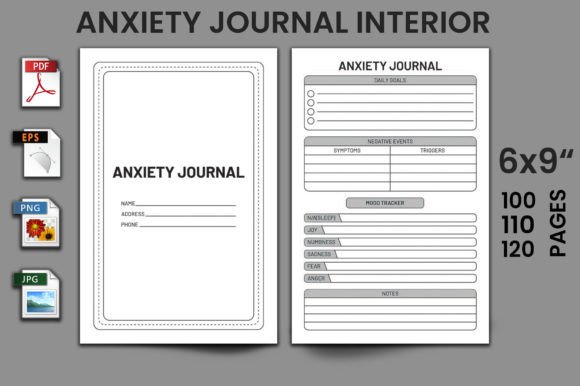
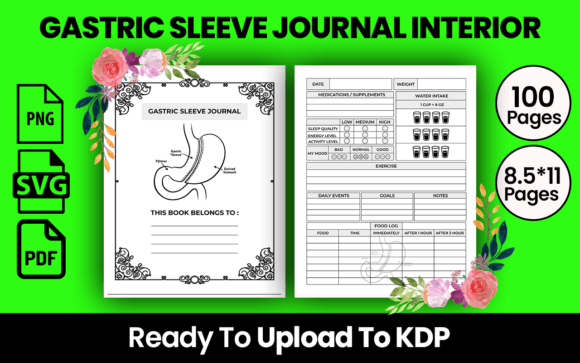
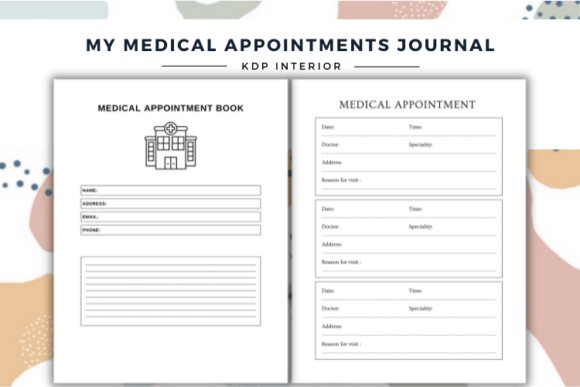
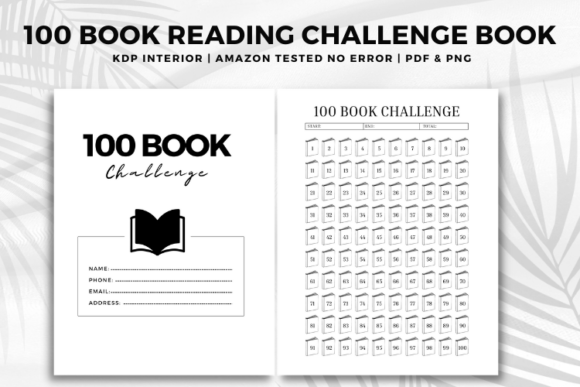
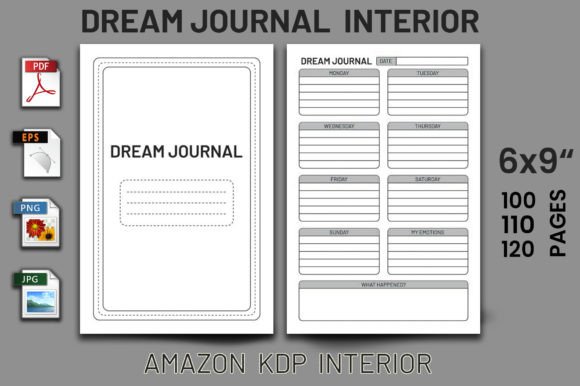
For anyone navigating the world of self-publishing, the technical hurdles can often stifle creativity. Designing a book’s interior layout—ensuring proper margins, consistent page numbering, and print-ready formatting—requires a specific skill set. This is where a dedicated product like the Dream Journal KDP Interior becomes an invaluable tool. It is a pre-formatted, tested interior template designed specifically for Amazon Kindle Direct Publishing (KDP). With trim size set to the popular 6"x9" and files delivered as high-quality, print-ready PDFs, it removes the technical barrier, allowing you to focus entirely on content and creative vision.
What makes it particularly interesting is its dual nature. It’s presented as a dream journal log book, a ready-to-use interior for a specific niche. Yet, its true utility lies in its foundational structure. The 100, 110, and 120-page formatted files are a blank canvas. They provide the essential, tested framework upon which you can build not just a dream journal, but virtually any low-content or no-content book idea. This shifts the product from a single-purpose item to a creative springboard for publishers.
Unlocking Creative Possibilities Beyond Dream Logging
The immediate application is, of course, a dream journal. A beautifully formatted book encourages consistent use, offering a structured space for nightly reflections. But the creative possibilities extend far beyond. The clean, professional interior can be adapted for countless projects. Consider a gratitude journal, a daily mindfulness tracker, or a project-specific logbook for hobbies like gardening or fitness. The structured pages provide order, while the blank spaces invite personalization.
For entrepreneurs and small business owners, this template can be the foundation for branded physical products. A wellness coach might create a client journal for tracking progress. A creative workshop instructor could design a companion activity book. The KDP interior ensures the final product feels polished and professional, enhancing the perceived value of your service or brand.
Adapting the Template for Different Audiences and Goals
The key to effective use is understanding your audience’s needs and adapting the template’s inherent structure to meet them. A dream journal for a general audience might focus on simple, open pages for freeform writing. However, if targeting a more analytical audience interested in lucid dreaming or sleep science, you could use the provided source files (EPS, PNG, JPG) to customize the interior. Add sections for charting sleep cycles, pre-determined prompts for analyzing dream symbols, or indexed pages for categorizing themes.
Freelancers and designers can leverage this template efficiently. Instead of designing every interior from scratch for client projects, they can use this tested base, saving hours of work. They can then focus their custom efforts on cover design and specific interior embellishments, using the source files to insert custom graphics, borders, or unique page headers that align with the book’s theme. This approach balances originality with practical, time-efficient production.
Practical Inspiration: From Idea to Finished Product
Let’s walk through a realistic example. Imagine a blogger who writes about personal development. They want to create a tangible product for their audience—a “Weekly Intention Planner.” Using the Dream Journal KDP Interior, they start with the 120-page PDF. They won’t use every page as-is; instead, they see the page count as a resource. They can plan: Page 1-2: Introduction. Pages 3-8: A guide on setting intentions. Then, the majority of pages become a repeating weekly template, perhaps designed by adding a simple header via the source files. The final 10 pages might be reserved for reflection notes. The pre-formatted margins and print-ready quality ensure their planner looks crisp and reliable.
Another practical approach is series creation. An educator creating resources for students might use the same consistent interior to produce a series of themed journals—one for science observations, one for creative writing prompts, one for history timelines. The uniform interior format across the series builds brand recognition and trust, while the content within each book is uniquely tailored. This demonstrates how a single template can support scalable project development.
Maintaining Clarity and Originality in Your Projects
While the template provides the structure, your content provides the soul. To keep results clear and effective, define the primary function of your book before you begin. Is it for recording, for planning, or for guided activity? This focus will dictate how you might utilize or customize the pages. For audience-friendly design, remember that simplicity often wins. Clean, uncluttered pages with ample writing space are universally appealing. If you add custom elements, ensure they serve a purpose and don’t overcrowd the usable area.
Originality comes from your unique concept and any thoughtful customizations you apply. The Dream Journal KDP Interior is a tool, not a limitation. Using the provided source files, you can infuse your personality or brand aesthetic subtly. Perhaps you add a small, elegant graphic at the top of each page, or change the font for chapter headings if you’re creating a segmented guide. The goal is to enhance the user experience, making the book not just functional, but thoughtfully designed for its specific purpose.
Balancing Creative Vision with Publishing Practicality
The ultimate benefit of a product like this is the merger of inspiration and pragmatism. It empowers creators who have ideas but lack advanced design skills, or professionals who need to streamline their production process. By handling the technical specifications—the bleed settings, the trim size accuracy, the KDP compatibility—it frees you to explore content variations and market opportunities.
You can experiment with niche topics without a significant upfront investment in design. Perhaps you test a “Bird-Watching Log” for a hobbyist community or a “Recipe Development Notebook” for food bloggers. The ready-to-upload files mean you can move from idea to published product rapidly, allowing you to learn from the market and iterate. This practical agility is a powerful asset for any independent publisher, marketer, or content creator.
In essence, the Dream Journal KDP Interior is more than a journal template. It is a validated starting point for physical book creation. It encourages useful creativity by removing a major obstacle, allowing your energy to flow into conceptual development, audience understanding, and content design. Whether you are crafting a personal tool for self-reflection or a professional product for your business, this foundation supports your vision with the quiet reliability of tested, print-ready precision. Your ideas deserve a tangible form, and this interior provides the straightforward path to get them there.