Your Essential Guide to the 100 Book Reading Challenge Book Interior
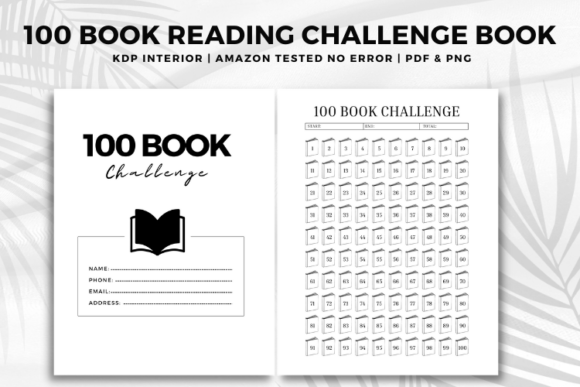
Whether you’re an aspiring author, a reading coach, or someone looking to document a personal literary journey, creating a physical logbook can be a rewarding project. The 100 Book Reading Challenge Book Interior is a pre-designed template that provides the structure for such a book. It’s a digital product designed to save you hours of layout work, offering a ready-to-use interior file for platforms like Amazon KDP (Kindle Direct Publishing). But before you download and use it, understanding exactly what you’re getting and how to use it correctly is crucial to avoid frustration and ensure a professional final product.
The Core Features: What You're Actually Getting
Let’s clarify what the package typically includes. You receive a set of digital files for a book interior formatted to 8.5x11 inches (a standard US letter size), comprising 110 pages. The key files are a PDF (ready to upload), a high-resolution PNG set (likely for visual reference or alternative use), and an editable pptx (PowerPoint) file. It’s marketed as “Tested on Amazon Kdp No Error” and “Ready to Upload.” This sounds perfect, but a savvy user needs to look beyond these labels.
Assuming "Ready to Upload" Means No Further Work
This is perhaps the biggest misconception. The phrase “Ready to Upload” refers to the PDF file meeting KDP’s technical specifications for size, resolution, and bleed (this one has No Bleed). However, it does not mean the content is final for your specific book. The interior is a template—a shell. You must still add your own book title, author name, perhaps a preface, and ensure the page count aligns with your vision. Using the PDF without any customization means publishing a generic-looking book. The better approach is to use the editable pptx file. This allows you to personalize text, adjust layouts slightly if needed, and truly make the book your own before exporting your final PDF.
Misunderstanding the File Types and Their Uses
Receiving multiple file formats (PDF, PNG, pptx) can confuse beginners. Each serves a distinct purpose:
- The PDF: This is your final upload file for publishing. It should not be edited directly; any changes should be made in the source file (pptx) first.
- The PNG files: These are likely image exports of each page. They are useful for quick browsing to see the design, or for use in marketing materials, but they are not for editing the book's text.
- The pptx (PowerPoint) file: This is your goldmine for customization. It’s where you can edit all text, fonts, and page order. Many overlook this file, trying to edit the PDF directly, which leads to compromised quality and formatting errors.
Before you start, open the pptx file first. Familiarize yourself with its master slides and text boxes. This simple step prevents the mistake of trying to force edits in the wrong place.
Not Verifying Page Count and Layout for Your Needs
The template is 110 pages. A reading challenge log might need pages for each book entry, summary sections, rating charts, and blank pages. Do you need 110? Perhaps your challenge is 50 books, or you want more writing space per entry. Simply accepting the given page count without assessing your content plan can result in a book with many blank pages or, conversely, not enough space. Open the pptx file and map out how you’ll use each page type. You can delete pages you don’t need or duplicate ones you want more of. This proactive planning ensures the interior serves your purpose, not the other way around.
Critical Pre-Use Checks for a Smooth Process
Before you even download, or immediately after, perform these practical checks to avoid common pitfalls.
Check the Specifications Against KDP’s Current Guidelines
KDP’s requirements can subtly update. While the product is “tested,” you should independently verify the basics: the 8.5x11 inches size is correct for your chosen paperback trim size, the No Bleed setting is appropriate for a simple interior (bleed is for images that go to the edge of the page), and the PDF resolution is high (which it should be, given the “High-Resolution” claim). Download the PDF and use a free PDF viewer to check its properties. This due diligence ensures you won’t face a last-minute rejection from KDP.
Evaluate the Editable File’s True Flexibility
The promise of an “editable” file is vital, but the reality depends on how it was built. Open the pptx file. Are the fonts used common ones like Arial or Times New Roman, or are they custom fonts? If they are custom, you might need to install them, or they might not embed correctly in your final PDF. Can you easily change the color scheme if you want? Check if text boxes are locked or editable. Understanding these constraints upfront allows you to plan your edits efficiently, rather than discovering mid-process that you can’t change the headline font you dislike.
Plan Your Download and Editing Workflow
The statement “You can easily download and edit it and use it without any problem” assumes a straightforward workflow. To make this true, create a simple system: 1) Download all files to a dedicated folder. 2) Use the PNGs to preview the design. 3) Make all textual and structural edits in the pptx file. 4) Save the pptx, then export or “Save As” a new PDF for publishing. 5) Keep the original files untouched as a backup. Skipping step 3 and editing the PDF directly is a major error that often leads to unprofessional text alignment and image quality issues.
A Realistic Approach to Using the Template Successfully
Think of the 100 Book Reading Challenge Book Interior not as a finished product, but as a high-quality foundation. Its value is in the tested formatting and the time it saves you from designing margins, page numbers, and consistent entry layouts. Your role is to infuse it with your content and unique voice.
For example, a blogger creating a companion journal for their reading community might use the pptx file to add their blog’s logo on the introduction page, change the header colors to match their brand, and insert inspirational quotes on certain pages. An educator using it for a classroom challenge might add instructions for students on the first few pages. These personalized touches, done correctly in the editable source file, transform a generic template into a professional, purpose-specific book.
Ultimately, success with this digital product comes from recognizing it as a tool, not a magic wand. By understanding the distinct role of each file, verifying specifications, and doing all customization in the provided pptx format, you can confidently create a polished, personal, and publish-ready reading challenge logbook. It’s a practical solution that, when used with informed intention, removes the technical hurdles and lets you focus on the content that matters—celebrating the journey through 100 books.