Your Essential Guide to the Blood Sugar Meal Planner
Managing blood glucose levels is a daily commitment that requires attention, knowledge, and practical tools. For many, this journey involves meticulous tracking of meals, readings, and medications. While digital apps abound, there is a profound and often overlooked power in the physical act of writing and planning. This is where a specialized tool like a Blood Sugar Meal Planner becomes not just a notebook, but a central hub for personal health management. Designed as a dedicated log book, it transforms scattered data into a coherent, actionable story of your wellness.
What Exactly Is a Blood Sugar Meal Planner?
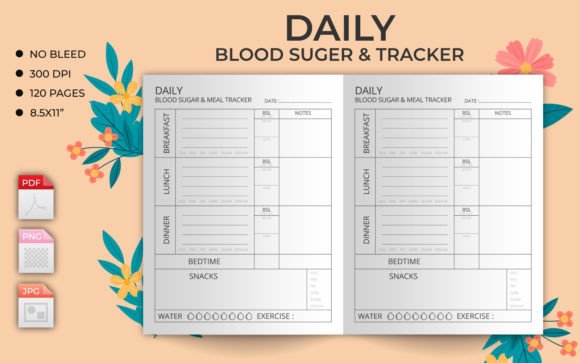
A Blood Sugar Meal Planner is typically a print-ready, physical journal or log book structured specifically for tracking the factors influencing blood sugar. It goes beyond a simple notepad by providing organized templates for daily and weekly entries. Think of it as a bespoke dashboard for your diabetes or glucose management. Unlike generic planners, its interior pages are pre-formatted with sections for recording fasting and post-meal glucose numbers, carbohydrate counts, insulin doses (if applicable), physical activity, and even notes on mood or energy levels. The core premise is integration: it allows you to see the direct relationship between what you eat (the meal) and the resulting metric (the blood sugar), hence the name "Meal Planner".
The Key Features and Design Philosophy
Common features found in a professional Blood Sugar Meal Planner KDP Interior—the ready-to-print template used by creators—highlight its utility:
- Dated Log Pages: Structured spaces for daily entries, often including time slots for consistent monitoring.
- Food & Meal Tracking: Sections to log meals, snacks, and their nutritional impact, fostering mindful eating.
- Blood Glucose Columns: Clear areas for pre-meal, post-meal, and other critical readings.
- Medication & Insulin Log: Important for tracking dosage and timing alongside food intake.
- Notes and Observations: Space to record symptoms, exercise, stress levels, or questions for your healthcare provider.
- Weekly Summaries: Many designs include weekly overview pages to spot trends and patterns.
The design is deliberately clean and focused, with high-resolution, print-ready files sized at 8.5″ x 11″ for standard compatibility. This no-fuss, functional approach removes the clutter of designing your own sheets and ensures every page serves a purpose.
Who Benefits from Using a Blood Sugar Meal Planner?
The audience for this tool is broad, encompassing both personal and professional use.
Individuals Managing Diabetes or Prediabetes
For anyone with type 1, type 2, or gestational diabetes, a Blood Sugar Meal Planner is a personal health diary. It empowers individuals to take an active role in their care. By consistently using the log book, one can identify which foods cause spikes, how exercise moderates levels, or the effect of sleep on morning readings. This self-generated data is invaluable for discussions with doctors, dietitians, or diabetes educators, making appointments more productive and tailored.
Healthcare Professionals and Coaches
Nurses, dietitians, and health coaches often recommend structured tracking to their clients. Having a standardized diabetes log book like this provides a common reference point. It simplifies the review process and can be a foundational tool in educational programs, helping patients build discipline and understanding.
Creators and Business Owners in the Print-on-Demand Space
The term KDP interior refers to the ready-to-use template for Amazon's Kindle Direct Publishing platform. Entrepreneurs and creators see the value in addressing niche health needs. A tested, well-designed Blood Sugar Meal Planner interior meets a specific market demand. It represents a practical product that solves a real problem, moving beyond generic journals into specialized, useful publications.
The Real-World Application: A Week in the Life of a Planner
Let’s consider a practical scenario. Sarah, managing type 2 diabetes, starts her week with a new Blood Sugar Meal Planner. Each morning, she records her fasting glucose in the designated column. For breakfast, she notes her meal—oatmeal with berries—and estimates the carbs. Two hours later, she logs her post-meal reading. By Wednesday, she notices a pattern: her readings are slightly higher on mornings after a late dinner. In the notes section, she jots this down. At her end-of-week review, she clearly sees that her afternoon walks correlate with more stable evening numbers. This blood sugar tracker log has, in one week, provided her with actionable insights she previously guessed at.
Strengths and Practical Value
The primary strength of a dedicated planner is its focus and consolidation. It eliminates the need for multiple notes—food diaries, medication reminders, glucose readings—scattered across different apps or papers. Everything coexists chronologically on one page. This physical format also offers a tactile, reflective experience; writing can reinforce commitment and mindfulness. Furthermore, for many, it provides a sense of privacy and control, free from the data collection policies of some digital applications.
Considerations and Finding the Right Fit
While immensely useful, a physical Blood Sugar Meal Planner has considerations. It requires manual entry, which demands daily discipline. It doesn’t automatically chart trends or calculate averages like software can. Therefore, it might be best used in conjunction with periodic digital analysis—perhaps transferring weekly data into a spreadsheet every month for deeper trend spotting.
When evaluating if such a planner is suitable for you or your project, ask:
- Do I (or my target user) prefer a tangible, hands-on method of tracking?
- Is the layout intuitive and comprehensive enough for my specific tracking needs (e.g., does it include space for blood pressure, if needed)?
- Is the quality of the interior template professional and print-ready, with clear sections and high-resolution graphics?
For creators looking to publish, the assurance of a template that is "100 tested on Amazon KDP" is crucial. It means the formatting meets Amazon's strict print specifications, avoiding costly rejection or poor print quality, ensuring the final blood glucose log book is physically reliable.
Beyond Logging: The Empowerment of a Plan
Ultimately, a Blood Sugar Meal Planner is more than a log; it’s a framework for proactive health. The word "Planner" implies forward thinking. By reviewing past entries, you can plan future meals more effectively. You can anticipate how a scheduled workout might affect your levels and plan medication or snacks accordingly. It turns reactive tracking into proactive strategy. This shift from merely recording to actively planning is the core value proposition. It supports a holistic view, connecting diet, activity, medication, and outcomes in one cohesive narrative.
Whether you are an individual seeking better daily management, a professional guiding clients, or a creator building a useful product for this community, a well-designed Blood Sugar Meal Planner serves as a fundamental tool. It embodies the principle that understanding your health starts with organized, consistent observation, and that sometimes, the most powerful technology is a thoughtfully designed page, waiting for your pen.