Editable Notebook for KDP Interior: A Strategic Asset for Publishing Professionals
In the world of self-publishing on Amazon’s Kindle Direct Publishing (KDP) platform, efficiency and quality are non-negotiable. While many creators pour their energy into content, the physical presentation of a book—its interior design—is a critical component of the reader's experience. An Editable Notebook for KDP Interior represents a powerful, pre-designed solution for authors, educators, and entrepreneurs. It is not merely a template; it is a foundational tool that allows you to bypass the technical hurdles of layout design and focus on the strategic deployment of your content.
Defining Strategic Utility: Beyond a Simple Template
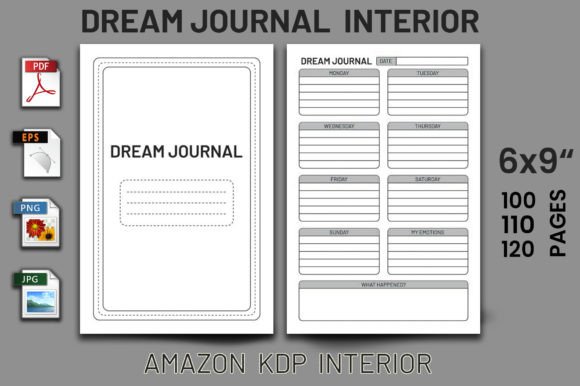
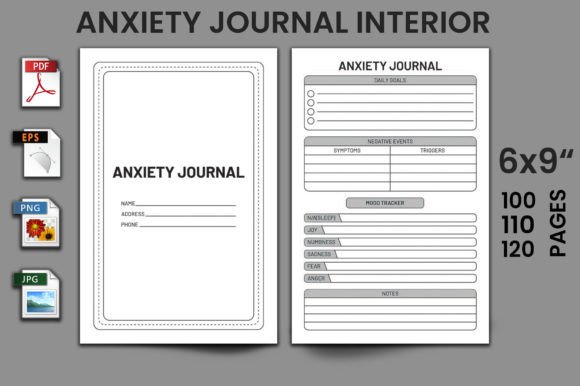
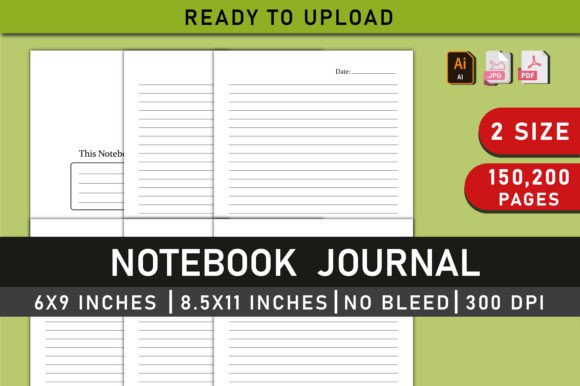
An Editable Notebook for KDP Interior is typically a source file, often in an editable graphic format like JPG, paired with a print-ready PDF, designed specifically for KDP’s printing specifications. The strategic value lies in its dual nature: it provides a high-quality, original design that is ready for upload, while also giving you the source files to make necessary customizations. This means you are not locked into a rigid layout. You can adapt the structure—whether it's for a 6x9 inches journal or an 8.5 x 11 inches workbook—to serve your specific market positioning and customer needs.
Why is this strategically useful? For the busy professional, time spent wrestling with layout software or learning the intricacies of bleed, margins, and 300 DPI CMYK requirements is time not spent on marketing, content creation, or business development. By starting with a professionally tested interior, you immediately align your production process with quality assurance. The “KDP Tested” designation inherent in these products means the design has already navigated the platform’s often-unseen technical requirements, significantly reducing the risk of upload errors and printing inconsistencies. This reliability directly supports operational efficiency and brand credibility.
Aligning Tool Selection with Business Goals
Before integrating an Editable Notebook for KDP Interior into your workflow, a thoughtful assessment of your goals is paramount. Are you aiming to build a series of branded planners for your coaching business? Are you publishing educational workbooks to support a course? Or are you creating a line of niche journals for a specific hobbyist community? The choice of interior design—and the degree to which you customize it—should be a direct reflection of your broader strategic objectives.
For instance, an entrepreneur using journals as a physical extension of their online brand must consider how the interior’s layout, page count (150-200 pages), and aesthetic communicate brand values. A clean, minimalist design might convey professionalism and clarity, while a more ornate, creative layout could appeal to artists and writers. The editable nature of the source file allows you to inject brand colors, logos, or specific instructional text, transforming a generic notebook into a cohesive brand asset. This intentional use enhances customer experience and fosters long-term loyalty.
Practical Application and Planning Considerations
The decision to use a pre-designed interior should be followed by a disciplined approach to its application. Here is a practical sequence to consider:
- Audience First: Revisit your target audience. Does the provided design resonate with their expectations? A notebook for corporate planners might need a different structure than one for bullet journal enthusiasts.
- Customization Scope: Determine what, if anything, needs to be changed. The JPG source file allows for edits in graphic software. Do you need to add a header on each page? Alter the footer? Adjust the line spacing? Define these changes before you begin editing to maintain consistency.
- Technical Verification: Even with a “KDP Tested” file, verify that your final PDF meets all specifications for your chosen trim size (8.5x11 or 6x9). Ensure it is truly print-ready, with no bleed if the design specifies none, and that the 300 DPI resolution is preserved after any edits you make.
- Content Integration: Plan how your written content will flow within the provided layout. For example, if the notebook includes designated sections for notes, goals, and sketches, plan your filler content or instructions to maximize the utility of that structure for the end-user.
An Editable Notebook for KDP Interior shines in use cases where speed-to-market and professional polish are key. Imagine a freelance educator who suddenly identifies a demand for a practice workbook for a new online course. By utilizing an editable interior, they can quickly produce a high-quality physical product to sell alongside the digital course, adding tangible value and a new revenue stream without a months-long design process.
Risks of Uncontextualized Use
While these tools offer significant advantages, relying on them without clear goals or context introduces risks. The primary danger is producing a generic product. The KDP marketplace is crowded. If you simply upload a beautifully designed but undifferentiated notebook interior without tailoring it to a specific audience or pairing it with strategic content, your product may fail to connect. The tool is an accelerator, not a substitute for market insight.
Another consideration is over-customization. The editable source file offers freedom, but without a basic understanding of graphic design principles, you might inadvertently degrade the original, high-quality design. Altering fonts, cluttering layouts, or misaligning elements can result in a product that feels amateurish, undermining the very quality you sought to purchase. Strategic use means knowing when to edit and when to trust the original design.
Fostering Creativity and Productivity with Intentional Design
The structure provided by a well-crafted notebook interior can paradoxically unlock creativity and enhance productivity for both you, the creator, and your eventual customer. For the creator, it removes the blank-page paralysis of starting from absolute zero. You begin with a proven framework, allowing your energy to focus on content innovation and marketing strategy. For the end-user—the person who purchases your notebook—a thoughtfully designed interior guides their use. Sections for weekly planning, project brainstorming, or habit tracking can channel their efforts more effectively than a blank page, adding functional value to your product.
This is where the strategic thinking becomes crucial. When selecting or customizing an Editable Notebook for KDP Interior, ask yourself: “How does this layout facilitate a better outcome for the user?” If you are creating a notebook for decision-makers, perhaps integrating sections for pros/cons lists, SWOT analysis frameworks, or stakeholder maps would add immense practical value. This intentional design thinking transforms the notebook from a stationery item into a productivity tool, increasing its perceived value and marketability.
Long-Term Value and Portfolio Development
For publishers and small business owners building a portfolio of physical products, the consistent use of editable interiors can establish a recognizable and trusted product line. By subtly customizing a core design template across multiple volumes—a series of journals, planners, or logbooks—you create visual cohesion. Customers who appreciate one product will easily recognize and trust the next. This approach builds long-term brand equity and can streamline your production pipeline, as you become adept at efficiently customizing your chosen template for new niches or seasonal editions.
Ultimately, an Editable Notebook for KDP Interior is a strategic investment in your publishing capability. It delegates the complex task of technical layout design to a professional, while retaining the agency to adapt and own the final product. By approaching it with a clear understanding of your goals, your audience, and the balance between customization and preservation, you leverage it not as a random shortcut, but as a deliberate tool for achieving better results: faster launches, higher quality products, and more resonant offerings in the competitive KDP marketplace.
The key is to move beyond seeing it as just a file you purchase. View it as a component in a larger system of content creation, branding, and customer satisfaction. When integrated thoughtfully into your planning and operations, it supports every stage—from initial concept to the final customer’s experience—freeing you to focus on the strategic work that truly grows your publishing venture.