The Modern Creator's Toolkit: How Recipe Journals and Weekly Planners Revolutionize Low-Content Publishing
In the dynamic ecosystem of digital publishing and self-sustained entrepreneurship, a quiet revolution is taking place. Tools like the Recipe Journal or Planner Interior and the Weekly Timebox Planner Weekly Schedule KDP Interior represent more than just downloadable templates; they are foundational components for a new wave of creators. These professionally designed, print-ready interiors cater to a market that values structure, aesthetics, and efficiency, enabling professionals, freelancers, and enthusiasts to produce physical products with digital ease. This shift underscores a broader trend where the barriers between content creation, product design, and commerce are dissolving, empowered by platforms like Amazon Kindle Direct Publishing (KDP).
Understanding the KDP Interior Product
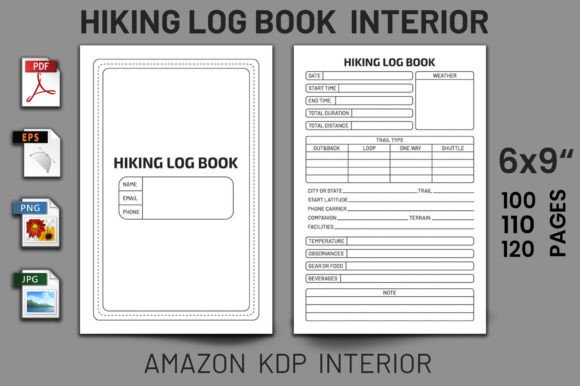
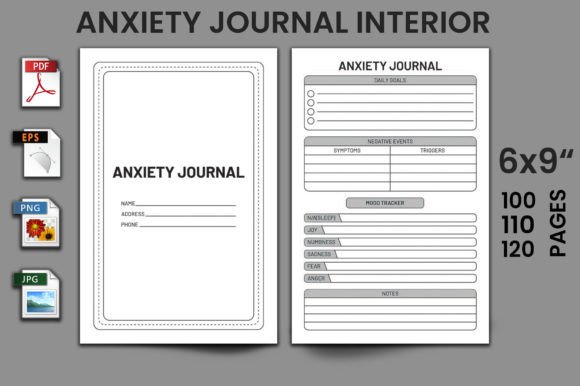
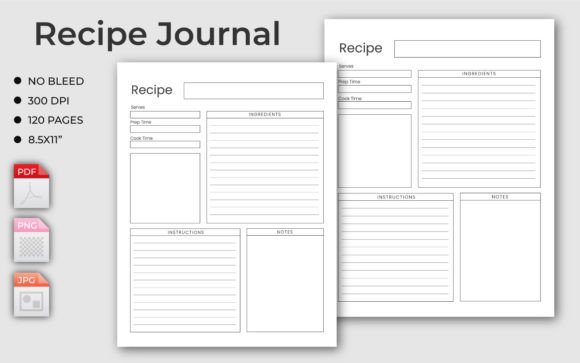
A Recipe Journal or Planner Interior is a complete, pre-designed layout for a book's internal pages. It is not the cover, but the functional heart of the publication. Typically offered as a package including a PDF, JPG, and PNG at 300 dpi resolution, these interiors are engineered for specific use cases—like recording culinary creations or organizing weekly tasks. The specifications are precise: an 8.5" x 11" size with no bleed, ensuring perfect compatibility with Amazon KDP's printing requirements. The promise of being "100 tested on Amazon KDP" is not merely a tagline; it is a critical assurance of technical viability, eliminating the guesswork and formatting errors that can stall a project. This turns a complex design and publishing process into a streamlined, upload-ready operation.
The Convergence of Market Trends and Creator Needs
The rise of such niche interiors is a direct response to several intersecting trends. First, the low-content book market has exploded, driven by consumer demand for specialized journals, planners, and workbooks that serve specific hobbies, professional needs, or lifestyle aspirations. Secondly, the gig economy and the democratization of entrepreneurship have empowered individuals to monetize their skills and interests without massive upfront investment. A freelance graphic designer, a passionate home cook, or a productivity coach can now conceptualize, create, and sell a physical product globally, using a platform like KDP, with minimal overhead. The interior template is their production-ready factory.
Furthermore, there is a growing consumer preference for physical, tactile products in a digital world. A beautifully designed recipe journal offers a sensory and curated experience that a scattered collection of digital notes cannot. It encourages mindfulness, organization, and legacy—values increasingly sought in our fast-paced culture. The interior design directly facilitates this, providing an inviting structure that prompts engagement and use.
Why Professionals Are Paying Attention
For the savvy creator, these interiors are not just commodities; they are strategic assets. Time is the most valuable resource for a freelancer or entrepreneur. Designing 120 pages of a coherent, print-optimized interior from scratch requires significant skill and time in software like Adobe InDesign. By acquiring a tested interior, the creator immediately shifts their focus from production to market strategy: branding, targeting, marketing, and customer engagement. This is a profound shift in workflow and expectation. The creator's role evolves from a technical executor to a strategic publisher and marketer.
Consider a culinary blogger aiming to extend their brand. They could spend months designing a cookbook companion journal. Instead, by implementing a Recipe Journal or Planner Interior, they can rapidly launch a professional-quality product that complements their online content, creating a new revenue stream and deepening audience loyalty. The interior's structure—likely containing sections for ingredients, methods, notes, and ratings—already aligns with user expectations, so the blogger's value-add becomes their unique branding and targeted promotion.
Changing Workflows and the Standardization of Quality
The availability of such resources changes the baseline for what is possible. It raises the standard for "side hustle" or passion projects to a professional level. This democratization of quality means that consumer expectations are also rising; they anticipate well-designed, functional physical books even from independent creators. The interior templates meet this expectation by incorporating principles of good layout design: balanced whitespace, readable typography, logical sectioning, and high-resolution graphics. They solve the technical puzzle of print readiness, which includes correct DPI, dimensions, and file formatting, areas where many new publishers stumble.
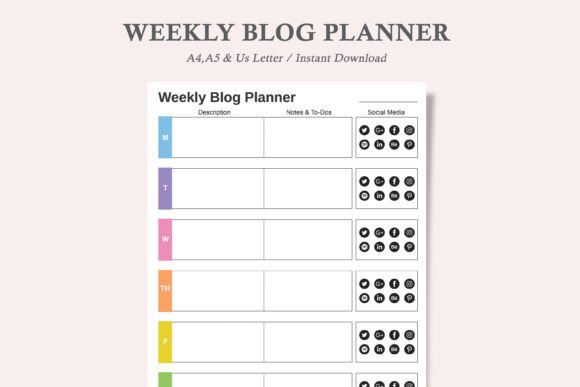
Practical observation within creator communities shows that successful KDP publishers often iterate rapidly. They might use a Weekly Timebox Planner Interior to test the market for productivity tools, then based on sales and feedback, branch into specialized variants using similar template families. The interior becomes a modular component in a larger business system. This agility is crucial in a responsive, direct-to-consumer marketplace.
Connecting to Larger Developments in Creative Business
This model is a microcosm of a macro trend: the platformization of creativity. Amazon KDP provides the distribution and printing platform. The template designers provide the content infrastructure. The creator provides the niche expertise and marketing. Each layer specializes, creating an efficient and scalable ecosystem. This mirrors developments in other fields, such as software (using SaaS platforms), e-commerce (using Shopify templates), or content creation (using Canva for design).
It also highlights the growing importance of contextual and semantic design. A recipe interior isn't generic; it understands the workflow of a cook. A timebox planner understands the principles of time management and weekly reflection. This semantic appropriateness is key for SEO and market discoverability. When a creator publishes a "Family Recipe Legacy Journal," the product's internal structure itself supports those keywords and user intent, making it more likely to satisfy customers and perform well in search results within Amazon and beyond.
Practical Applications and Forward-Looking Utility
The utility of these interiors extends beyond the initial sale. They enable:
- Brand Extension: Coaches, bloggers, and influencers can create tangible products that anchor their digital community.
- Product Testing: Entrepreneurs can validate market interest in a niche (e.g., vegan recipe journals) with minimal risk.
- Scalable Production: Upon success, creators can easily expand their line by utilizing different but complementary interiors from the same designer, ensuring cohesive quality.
- Hybrid Digital-Physical Offerings: A purchased PDF interior can sometimes be used for both print-on-demand books and as a digital download product on other platforms, maximizing revenue channels.
The forward-looking aspect is clear: as the tools become more sophisticated and niche-specific, the opportunities for micro-branding and hyper-targeted publications will grow. The technology is not speculative; it is present and operational. The trend is toward greater specialization and integration, where a template might soon seamlessly connect with data-tracking apps or community platforms, turning a static journal into part of a dynamic user ecosystem.
The Integral Role in a Modern Creator's Workflow
Ultimately, products like the Recipe Journal or Planner Interior are more than files; they are enablers of modern creative entrepreneurship. They align perfectly with the needs of professionals who require efficient, reliable, and high-quality tools to execute their ideas. They respond to consumer trends favoring purposeful, well-designed physical objects. They fit into the broader technological landscape of platform-based business where specialization and collaboration drive innovation. For the marketer, the freelancer, or the enthusiast looking to share their passion, these interiors provide the missing link between vision and viable product, allowing them to focus on what matters most: creating value and connecting with their audience.
As the market for low-content books continues to mature, the sophistication and strategic importance of these foundational tools will only increase, solidifying their place in the standard toolkit of the independent creator.