Unlocking Creative Workflows: The Process Behind 24 Kids Sudoku Puzzles with Solutions
For creators, educators, and entrepreneurs, a valuable resource is one that serves not just as a final product, but as a flexible component within a broader creative or business process. The digital product known as 24 Kids Sudoku Puzzles with Solutions exemplifies this principle. It is fundamentally a ready-to-use activity book interior designed for platforms like Amazon KDP (Kindle Direct Publishing), but its true utility lies in how it can be integrated, adapted, and leveraged within your specific workflow.
Understanding the Core Asset and Its Place in Your Process
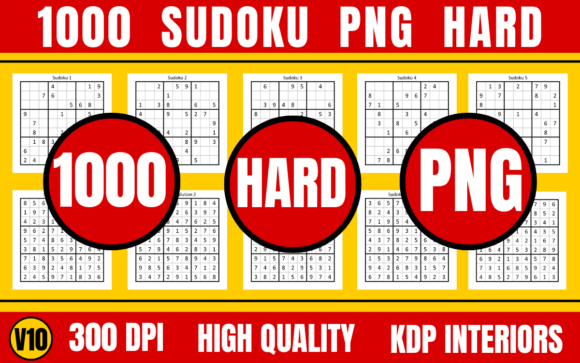
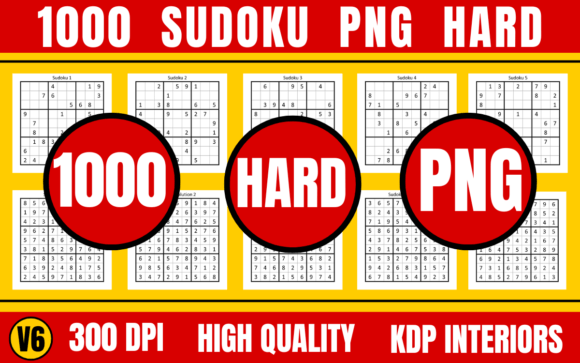
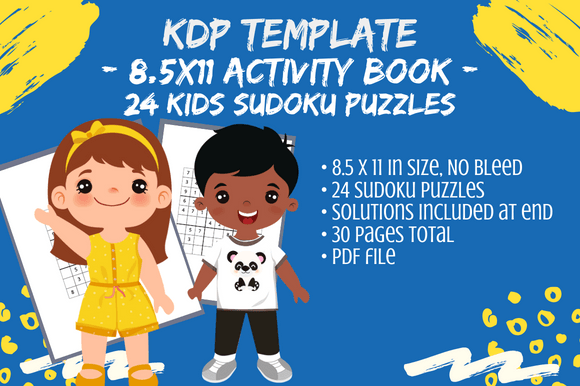
The 24 Kids Sudoku Puzzles with Solutions package is a PDF file containing 30 puzzle pages and 10 solution pages, formatted for the standard 8.5×11 inch dimension without bleed. This is not merely a collection of puzzles; it is a structured digital asset. Its design allows it to function at multiple points in your project timeline: as a starting template, a modular element to combine with other materials, or a complete, publishable product in itself. Recognizing this flexibility is the first step in planning its effective use.
Before initiating any project, assessing your available resources and their adaptability is key. This PDF acts as a foundational resource. You can begin by downloading the file and, as the instructions wisely suggest, making an immediate duplicate copy. This simple preparatory step—preserving the original—is a critical workflow habit. It ensures you have a clean master for future iterations or different projects, maintaining organizational efficiency and safeguarding your long-term asset library.
Integration and Customization: Making the Template Your Own
The most significant process-oriented advice for using 24 Kids Sudoku Puzzles with Solutions is to customize it thoroughly. This is a practical imperative, not just a creative suggestion. Platforms like Amazon KDP scrutinize content for duplication, and a unique product is essential for visibility and success. Your workflow here involves active modification.
This might occur during the initial planning phase of an activity book series. You could:
- Add complementary clip art or coloring pages to expand the book’s appeal.
- Delete certain puzzle pages to control the book’s length or difficulty progression.
- Change page titles or section headers to align with a specific theme or brand.
- Insert motivational quotes or learning objectives to enhance the educational value.
These actions transform the generic template into a bespoke product. The process interacts directly with other creative decisions: the choice of accompanying graphics, the target age group, and the overall learning goals of the book. The editable PDF format is compatible with standard design software, allowing you to incorporate elements from other tools and resources seamlessly.
Strategic Use Cases and Workflow Examples
How you integrate 24 Kids Sudoku Puzzles with Solutions depends heavily on your role and project goals. The process differs for an educator, a freelance designer, and a small business publisher.
For an educator or blogger creating supplemental materials, the workflow might be rapid and focused. They could use the puzzles as-is, appending the solutions for parental or teacher reference, and quickly bundle it as a downloadable resource on their website. Here, the asset serves after the main curricular content is developed, acting as a fun reinforcement activity.
For a KDP entrepreneur or publisher, the process is more layered. This PDF becomes a core module within a larger assembly workflow. The explicit instruction that you can "take it apart and mix or match it with other game types" is a direct guide to a combinatorial creation process. You might have a library of puzzle interiors, mazes, and dot-to-dot pages. Your workflow involves:
- Selecting a set of modules (like this Sudoku pack) for a new book concept.
- Editing each module to ensure stylistic consistency (fonts, borders).
- Sequencing the pages to create a balanced activity flow for the child.
- Adding a custom cover and copyright page to finalize the interior.
This modular approach drastically improves efficiency. Instead of creating every page from scratch, you are managing and curating pre-designed components, ensuring both quality and speed.
Practical Considerations for Implementation
Successful implementation hinges on a few practical observations. First, usability: the NO-bleed format means all content is safely within the print area, reducing pre-publishing technical checks. This simplifies the quality control phase of your workflow. Second, organization: since the solutions are included at the end in a separate section, you have the option to remove them if you want a puzzle-only book, or keep them for a complete edition. This decision point should be part of your initial project specifications.
Also, consider the consistency of your output. If you plan to create multiple activity books using this and similar templates, establish a repeatable workflow. This might include a checklist: duplicate the master file, add your standard branding elements, insert a specific clip art set, run a page count verification. By integrating 24 Kids Sudoku Puzzles with Solutions into a standardized process, you ensure each final product maintains a professional level of quality while saving valuable time.
Long-Term Process Integration and Asset Management
Viewing this product as a long-term asset changes how you manage it. The digital download is not for a single use. It enters your permanent resource library. A savvy creator will categorize such files—perhaps under "KDP Interiors / Puzzles"—within their digital storage system. This organizational step makes it retrievable for future projects, perhaps a hybrid activity book combining Sudoku with math worksheets for an older age group.
Furthermore, the adaptability of the PDF supports iterative improvement. Your first book might use the template with minor changes. After analyzing sales or feedback, your process for the second edition could involve more significant customization: increasing puzzle difficulty, adding thematic artwork related to seasons or animals, or reformatting pages into a smaller size. The original file remains the stable starting point for each new iteration, providing consistency across your product line while allowing for evolution.
Ultimately, 24 Kids Sudoku Puzzles with Solutions is a tool for execution. It fits into workflows that demand both structure and flexibility. By approaching it with a process mindset—focusing on preparation, customization, modular combination, and systematic organization—you convert a simple downloadable product into a powerful engine for consistent, efficient, and unique creative output. Whether you are a marketer bundling it as a lead magnet, a teacher crafting classroom resources, or a publisher building a catalog on KDP, its value is realized through the practical steps you take to integrate it fully into your own work.